First, thank you to Ritu for helping me find the title of this post. I don’t think I could have done it without you.
That said, what want to talk about has nothing to do with the title. Which is nothing new, so let’s carry on, shall we?
The day Notre Dame burned, Alex came home from school and asked me why I was sad. Having no way, with my limited vocabulary in sign language, to tell him what had happened, my first thought was of Disney’s “Hunchback of Notre Dame.” So I showed him a picture of the movie, and of Quasimodo at the top of the spire. When he saw it fall in the videos online, he understood.
I’ve been in so many grand cathedrals over the years–Canterbury, St. Pauls and Westminster Abbey in London, Notre Dame Basilica in Montreal, and yes, Notre Dame in Paris, among others–that it’s difficult to remember many specific details of any of them. But the sense of awe when stepping into such a church, of being surrounded by its history, leaves an indelible mark on the soul. When I saw Notre Dame burning, I went quickly from shock to denial and then to grief.
Notre Dame Basilica, Montreal, Quebec, Canada
When all is said and done, Notre Dame is an object. No lives were lost–not even the bees on the roof–which is a miracle all by itself. Still, one can’t help but think we’ve lost so much more than a material thing. Places like that are alive with the spirits of everyone who has walked through their doors.
On a lighter note …
My middle son, Christopher, who is autistic, didn’t start talking until he was four years old. In order to help him out, we bought him computer games to play. There was one, featuring Elmo, that had a mini-game in it to aid kids in learning the alphabet. And it worked! Chris began mimicking Elmo’s voice. For a long while he refused to put sentences together himself–everything he spoke was a line out of a game or a movie. But I distinctly remember one of the first questions he answered independently was, “What is the alphabet?”
Chris quickly answered, “Q W E R T Y U I O P A …” all the way to M. Because he learned the alphabet at the keyboard.
Fascinating how the autistic mind works.
Thanks to the three lovely ladies who gave me my three “Q” words for today’s not-A-Z post. You’ll find their links under the words “Quasimodo,” “quick,” and “QWERTY.”
I don’t need any suggestions for “R” words for tomorrow’s post, because I’ll use SoCS to fulfill my non-duty of writing a non-A-Z post. Watch out for my request for “S” suggestions tomorrow!
When I started writing books, I thought, Bah! This is easy! And it kind of was for me. It was like writing a short story but not stopping at the short part. It was like writing a really, really long short story. Not really rocket science.
Little did I know the rocket science part was coming.
It started with the editing. First I had to figure out how to do that, so I read a gazillion articles, blog posts, advice columns, took courses … you name it, I did it. I still often consult the wise advice of others. That kind of learning never stops if you know what’s good for your novels. Then, finally, I decided after much intense deliberation to self-publish. I was told I’d have to market myself even if I went with a traditional publisher, so why not do it and keep the royalties to myself? So off I went on a new learning curve.
Articles, blog posts, advice columns … I haven’t taken the courses yet, but I’d be tempted if I wasn’t still learning the editing stuff. Yet what I read in these marketing columns, over and over, is that the most important part of marketing is a newsletter. Which brings me to today.
And why I’m nervous.
I have a newsletter. So far I’m the only one who’s signed up, but I have a “welcome” letter all ready to go for the next person who does. The next bunch of people, in fact. This is brand new territory for me and I’m kind of beside myself, because if you sign up and you read it–or worse, if you don’t read it–we can’t talk about it because it’s a one-way street.
I’m actually more nervous than I was when I released my first novel. Crazy, isn’t it? Ah well, here we go. Worst case scenario, I’ll close up shop and go back to the easy stuff: writing novels.
With the door closed it was very quiet in the room apart from the sound of birds cooing. Herman went to the window in search of the source. A line of tall, thick trees at the perimeter of a vast lawn surrounded the house. Daffodils and tulips poked up through the soil as close to the house as she could see without putting her forehead against the glass. Beyond the garden a cobblestone walkway, wide enough for two people to stroll side by side wound it’s way past a patio sat off to the left. To the right was a small brick building with six or eight sides, she couldn’t really tell from her vantage point. It was made of the same colour brick as the house and had many small windows near the top. It looked to be about two stories high. A shed, or a coop perhaps. She turned her back to the window see if the room appeared as domestically normal as the garden. The walls were paneled with dark wood and the furniture was antique, upholstered with red velvet. Along one wall, to her right, either side of the door hung pictures of landscapes rather than family portraits. The wall opposite the door was covered in fragrantly old books. A computer with a the large flat screen perched upon a heavy ancient-looking desk was the only evidence that she hadn’t stepped back in time.
To this:
The sound of birds cooing beckoned Herman to the window in search of the source. A protective line of tall, thick pines stood like sentries around at the perimeter of a vast lawn, and daffodils and tulips poked their heads up through the soil as close to the house as she could see. Beyond the flower garden a cobblestone walkway, wide enough for two people to stroll side by side wound it’s way past a patio off to the left. To the right stood a small red brick building with six or eight sides and a dozen small windows near the top that reflected the gloomy April sky. A shed, or a coop perhaps. She turned her back on the peaceful scenery outside, to see if the room appeared as domestically serene as the garden. The dark paneled walls were adorned either with painted landscapes or covered in bookshelves containing fragrantly old books, lending the student in her warm comfort. A computer with a the large flat screen perched upon a heavy ancient-looking desk was the only evidence that she hadn’t stepped back in time.
Above is first the original NaNo 2011 version of the beginning of Chapter 5 of my manuscript, and second is what I edited it down to this morning. What do you think?
I see this as the result of two years writing experience and endless blog posts which have forced me to write to be publicly read. I see this as the result of two very wonderful people who have critiqued my work and told me in no uncertain terms that I have to put the character in my descriptions. (Thank you so much, Janice and Connie. Honest critique is the most valuable thing a writer can receive.)
In all, I see the second version as something that a publisher might actually look at. But that was one paragraph out of 524 pages.

 This ranty-type post was brought to you by Stream of Consciousness Saturday. Click the following link and join in! It’s fun! https://lindaghill.com/2022/12/30/the-friday-reminder-and-prompt-for-socs-dec-31-2022/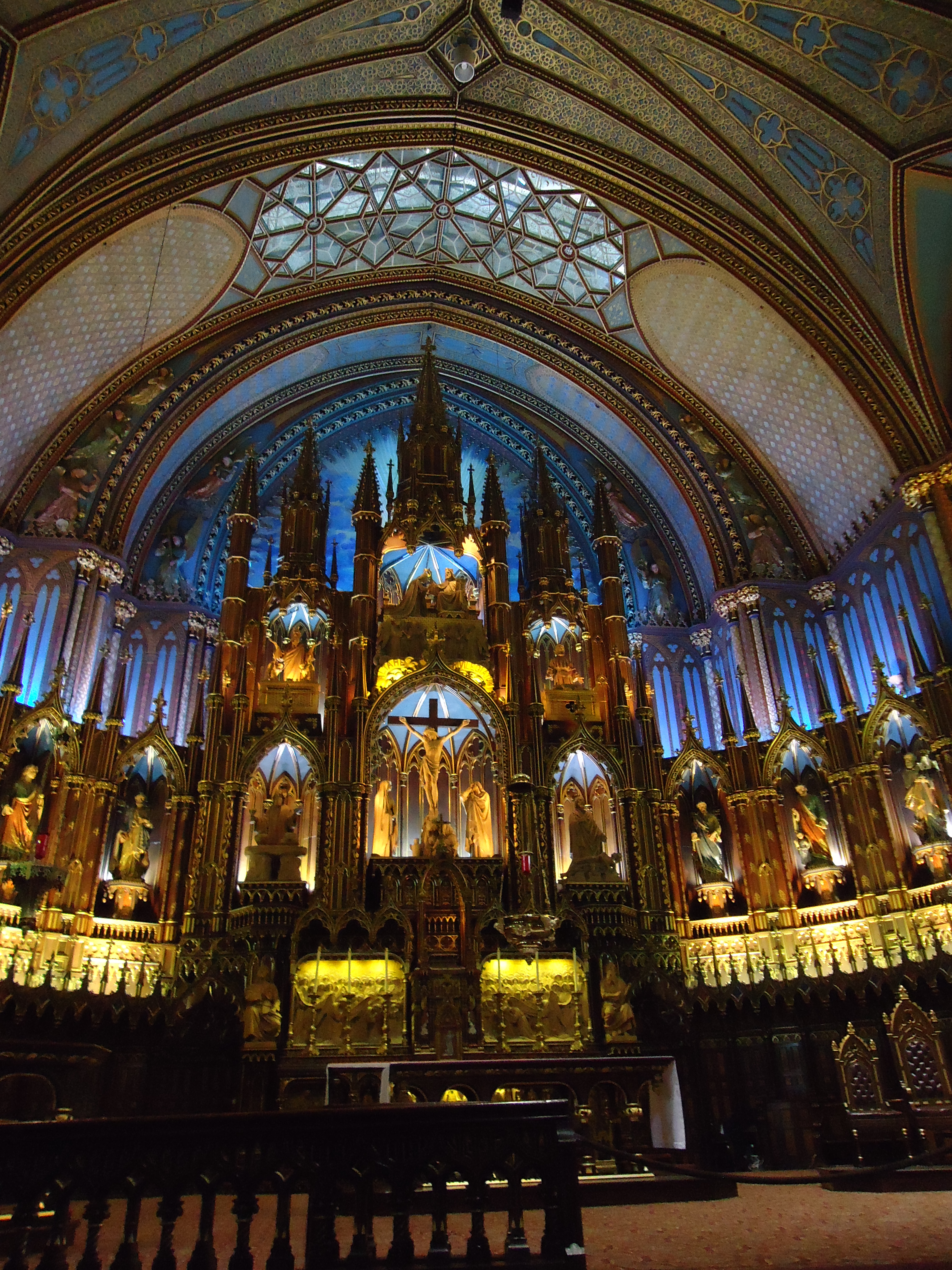

 lindaghill.com